
Exploring Rare and Error Coins in South Africa: Error Coin Identification Tips

Collecting coins is a fascinating hobby that connects us to history, culture, and art. In South Africa, the world of numismatics offers a unique treasure trove of coins, especially when it comes to rare and error coins. These coins are not just currency; they are stories frozen in metal, often carrying unexpected quirks that make them highly sought after by collectors. Today, I want to take you on a journey through the intriguing realm of South African rare and error coins, sharing some practical tips on how to identify these fascinating pieces.
Understanding the Appeal of Rare and Error Coins
Rare coins are those that were minted in limited quantities or have survived in small numbers. Error coins, on the other hand, are coins that have some kind of minting mistake. These errors can range from minor imperfections to major anomalies that make the coin unique. Both types of coins can be valuable and exciting to find.
In South Africa, coins from different eras reflect the country’s rich history, from the pre-colonial period to the modern republic. For example, coins from the South African Republic (ZAR) era or the early Rand coins can be quite rare. Error coins might include misstrikes, double dies, or off-center prints.
Collectors often seek these coins because they tell a story beyond their face value. They are tangible pieces of history that can appreciate in value over time. Plus, spotting an error coin can feel like discovering a hidden gem!
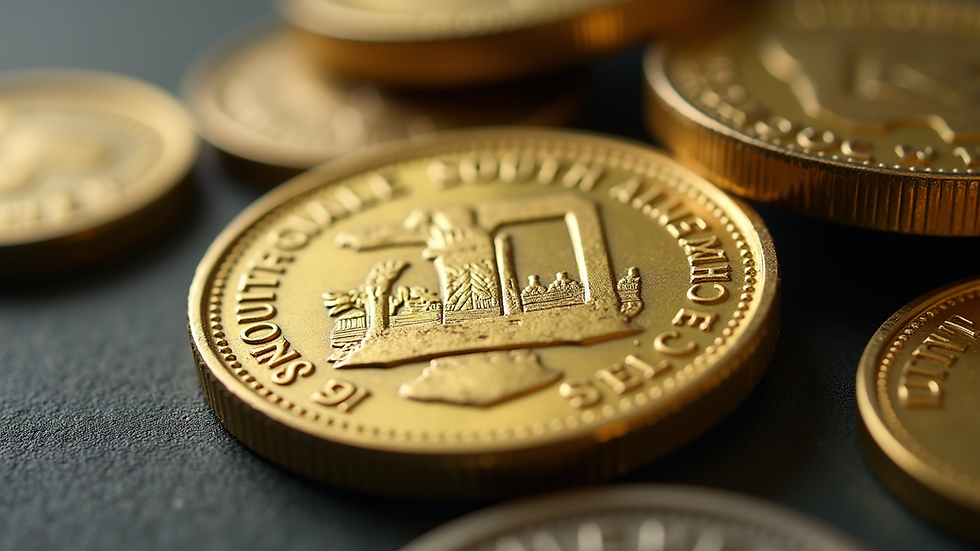
Error Coin Identification Tips for South African Collectors
Identifying error coins requires a keen eye and some knowledge of what to look for. Here are some practical tips to help you spot these fascinating coins:
Examine the Coin’s Edges
Look closely at the edges of the coin. Errors like clipped planchets (where part of the coin is missing) or irregular edges can indicate a minting mistake.
Check for Double Strikes or Double Dies
Sometimes, the coin’s design is stamped twice, causing a doubled image or lettering. This is a common and highly collectible error.
Look for Off-Center Strikes
If the design is not centered on the coin, it’s an off-center strike. The degree of off-centering can affect the coin’s value.
Inspect the Surface for Die Cracks or Cuds
Die cracks appear as raised lines on the coin’s surface, while cuds are blobs of metal caused by die damage. Both are error types that collectors appreciate.
Use a Magnifying Glass or Loupe
Small errors can be hard to see with the naked eye. A magnifying tool helps reveal subtle mistakes.
Compare with Known Examples
Reference books or online databases of South African coins can help you compare your coin with standard examples to spot differences.
Seek Expert Opinions
When in doubt, consult with experienced numismatists or professional coin graders. They can provide authentication and valuation.
By following these tips, you can increase your chances of finding valuable error coins in your collection or when buying from dealers.
Popular Rare and Error Coins in South Africa
South Africa has produced several coins that are particularly prized by collectors. Here are a few examples that you might encounter:
The 1892 South African Republic 1 Pond
This gold coin is rare due to its limited mintage and historical significance. Variations and minting errors can add to its value.
The 1961 Krugerrand Proof Coins
Early proof versions of the famous Krugerrand are sought after, especially if they have minting anomalies.
The 1994 Mandela Commemorative Coins
These coins celebrate a pivotal moment in South African history. Some errors in these issues, like doubled dates or misaligned designs, are collectible.
Off-Center 5 Cent Coins
Occasionally, 5 cent coins have been struck off-center, creating a unique look that collectors love.
Double Die 10 Cent Coins
These coins show doubled images or lettering, making them stand out.
Finding these coins can be thrilling, and their stories add depth to any collection.

How to Buy and Sell Rare and Error Coins in South Africa
If you’re interested in buying or selling rare and error coins, it’s important to approach the process with care. Here are some tips to help you navigate the market:
Research Before You Buy
Understand the coin’s history, rarity, and typical market value. Use trusted sources and numismatic guides.
Buy from Reputable Dealers
Look for dealers with good reviews and a solid reputation. They often provide certificates of authenticity.
Attend Coin Shows and Auctions
These events are great places to find rare coins and meet other collectors.
Get Coins Graded
Professional grading can verify a coin’s condition and authenticity, which helps in selling.
Keep Coins in Proper Storage
Use coin holders or albums to protect your coins from damage.
Be Patient
The market for rare and error coins can fluctuate. Waiting for the right buyer or seller can make a big difference.
By following these guidelines, you can enjoy a rewarding experience in the South African numismatic market.
Why South African Coins Are a Treasure for Collectors
South African coins are more than just currency; they are a reflection of the country’s diverse heritage and history. From the early gold coins of the Boer republics to the modern Krugerrands, each coin tells a story.
Collecting these coins allows you to connect with South Africa’s past and appreciate the artistry involved in coin minting. The presence of rare and error coins adds an exciting layer to this hobby, offering opportunities to discover something truly unique.
Whether you are a seasoned collector or just starting, exploring South African coins can be a fulfilling journey. Remember, every coin has a story waiting to be uncovered!
If you want to dive deeper into the fascinating world of rare and error coins in South Africa, keep exploring, learning, and enjoying the thrill of the hunt. Happy collecting!


Comments