
Understanding the Golden Era Auctions Guide
- Golden M Era Auction House
- Mar 16
- 4 min read
The world of rare and error coins is a fascinating one, filled with history, value, and the thrill of discovery. For collectors and numismatic enthusiasts, navigating this market can be both exciting and challenging. One of the key players in this space is the auction house, a place where coins change hands and stories are told. This guide will help you understand the ins and outs of the golden era auctions, providing practical advice for buying and selling rare coins.
What Makes Golden Era Auctions Unique?
Golden era auctions stand out because they focus on coins that have historical significance and rarity. These auctions often feature coins from specific periods known for their craftsmanship, limited mintage, or unique errors. Collectors are drawn to these events because they offer a chance to acquire pieces that are not only valuable but also carry a story.
Some key features of golden era auctions include:
Specialized Catalogues: Detailed descriptions and high-quality images help buyers make informed decisions.
Expert Authentication: Coins are verified by professionals to ensure authenticity.
Competitive Bidding: Auctions create a dynamic environment where prices reflect true market demand.
For example, a 1920s South African gold coin with a minting error might fetch a premium price due to its rarity and historical context. Understanding these nuances can help collectors identify worthwhile investments.

Navigating the Golden Era Auctions Guide
To successfully participate in golden era auctions, it is essential to have a clear strategy. Here are some practical steps to guide you:
Research Before Bidding
Study the auction catalogue carefully. Look for coins that fit your collection goals or investment criteria. Pay attention to the coin’s condition, provenance, and any noted errors.
Set a Budget
Determine your maximum bid before the auction starts. This helps avoid overspending in the heat of the moment.
Understand Auction Terms
Familiarize yourself with the auction house’s terms and conditions, including buyer’s premiums, payment methods, and shipping policies.
Attend Previews
Whenever possible, attend physical or virtual previews to inspect coins firsthand or through high-resolution images.
Use Proxy Bidding
If you cannot attend the auction live, many houses offer proxy or absentee bidding services.
By following these steps, you can increase your chances of acquiring valuable coins while minimizing risks.

How to Sell Rare and Error Coins at Auction
Selling coins at a golden era auction requires preparation and understanding of the market. Here are some tips to maximize your returns:
Get a Professional Appraisal
Have your coins evaluated by a reputable numismatist to determine their market value.
Choose the Right Auction House
Select an auction house that specializes in rare and error coins to reach the right audience.
Provide Detailed Descriptions
Include information about the coin’s history, condition, and any unique features or errors.
Set Realistic Reserves
Establish a minimum price that reflects the coin’s value but remains attractive to bidders.
Promote Your Lot
Use social media and collector forums to generate interest before the auction.
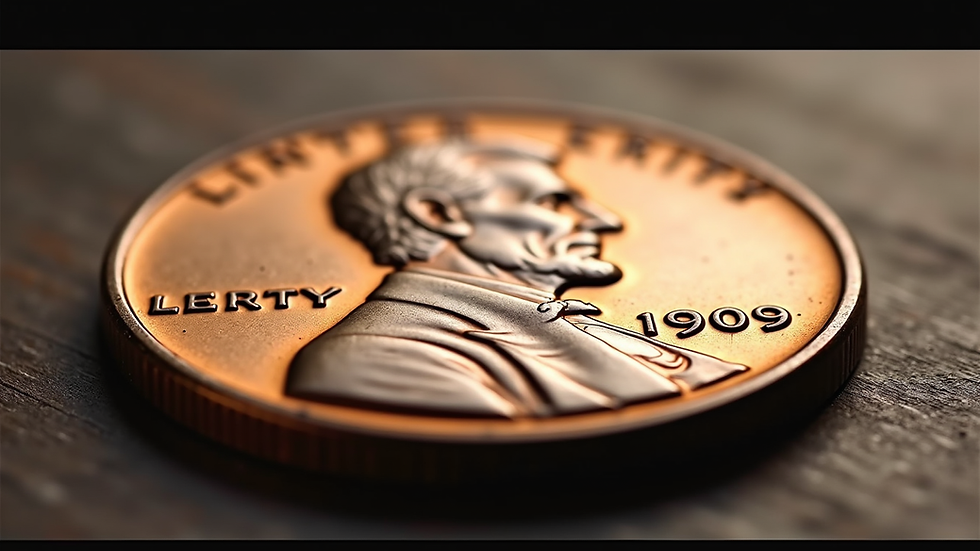
For instance, a coin with a minting error such as a doubled die or off-centre strike can attract collectors willing to pay a premium. Highlighting these features in your listing is crucial.
The Role of Authentication and Grading
Authentication and grading are critical in the rare coin market. They provide assurance to buyers and sellers about the coin’s authenticity and condition. Professional grading services assign a grade based on factors like wear, luster, and strike quality.
Authentication confirms the coin is genuine and not a counterfeit.
Grading assigns a numerical value that reflects the coin’s condition, usually on a scale from 1 to 70.
Coins with higher grades typically command higher prices. For example, a mint state coin graded MS-65 will be more valuable than one graded VF-30 (very fine). When buying or selling, always check if the coin has been graded by a reputable service.
Tips for Building a Valuable Coin Collection
Building a collection during the golden era auctions can be rewarding if done thoughtfully. Here are some actionable recommendations:
Focus on a Theme
Collect coins from a specific era, country, or type to create a cohesive collection.
Prioritize Quality Over Quantity
It is better to have fewer high-quality coins than many low-grade ones.
Stay Informed
Keep up with market trends, auction results, and numismatic news.
Network with Other Collectors
Join clubs or online forums to exchange knowledge and opportunities.
Keep Proper Records
Document your purchases, including provenance and grading certificates.
By following these tips, you can build a collection that not only holds value but also tells a compelling story.
For those interested in exploring more about the auction process and rare coin trading, the golden m era auction house offers a comprehensive platform for both buyers and sellers. Their expertise and specialized auctions make them a trusted partner in the numismatic community.
Expanding Your Knowledge and Opportunities
The journey into rare and error coin collecting is ongoing. Attending golden era auctions regularly, reading numismatic literature, and engaging with experts will deepen your understanding and enhance your collecting experience. Remember, patience and research are your best tools in this market.
Whether you are buying or selling, the golden era auctions guide provides a roadmap to navigate this exciting world with confidence and success. Happy collecting!

Comments