
Unpacking the Legacy of the Golden M Era History
- Golden M Era Auction House
- Jun 1
- 5 min read
The Golden M Era is a fascinating chapter in the world of numismatics, especially for collectors and enthusiasts who appreciate rare and error coins. This period marked a significant transformation in coin design, production, and collecting culture. As someone deeply passionate about coins, I find the Golden M Era history to be a treasure trove of stories, innovations, and market shifts that continue to influence collectors today. Let’s dive into what makes this era so special and why it still captivates the numismatic community.
The Golden M Era History: Origins and Significance
The Golden M Era began in the mid-20th century, a time when coin minting underwent notable changes. This era is named after the distinctive "M" mint mark that appeared on many coins, symbolizing a new wave of craftsmanship and quality control. The coins from this period are often characterized by their intricate designs, improved metal compositions, and the introduction of new denominations.
One of the key reasons this era stands out is the surge in collector interest. Coins from the Golden M Era were not just currency; they became collectible items with stories and historical value. This shift was partly due to the rise of specialized auction houses and numismatic societies that promoted coin collecting as a serious hobby.
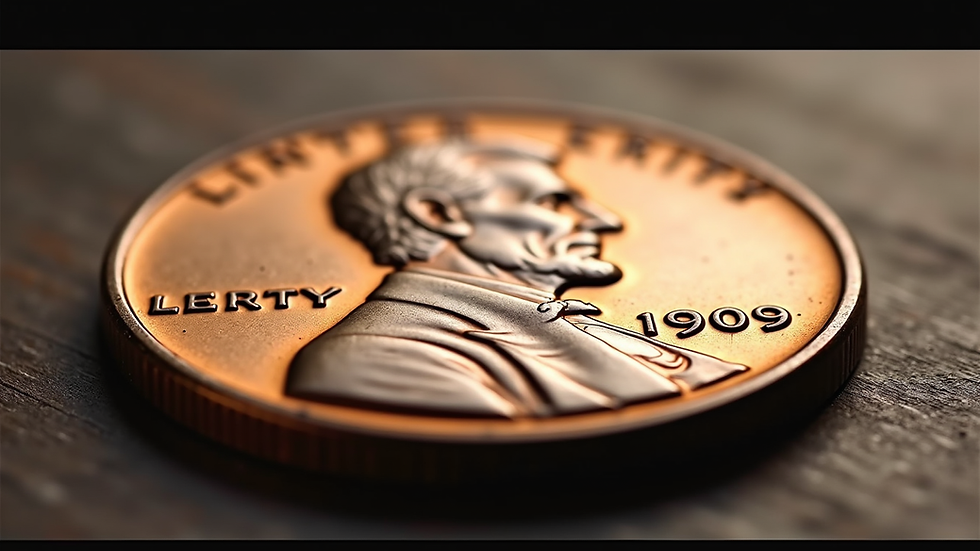
Collectors today seek Golden M Era coins for their rarity and the unique errors that sometimes occurred during production. These errors, such as double strikes or off-center prints, add an exciting layer of intrigue and value to the coins.

Key Features That Define the Golden M Era
Understanding the defining features of the Golden M Era helps collectors identify and appreciate these coins better. Here are some of the standout characteristics:
Mint Mark "M": This mark is the hallmark of the era, indicating coins minted under new standards.
Enhanced Metal Quality: The era saw improvements in the alloys used, resulting in coins that were more durable and visually appealing.
Innovative Designs: Artists and engravers introduced more detailed and symbolic imagery, reflecting cultural and historical themes.
Error Coins: Production errors became more documented and sought after, turning mistakes into prized collectibles.
Limited Editions: Some coins were produced in limited quantities, making them highly desirable for collectors.
These features not only make the coins visually striking but also increase their value in the market. For anyone looking to buy or sell coins from this era, knowing these details is crucial.
How much do auction houses charge to sell coins?
When it comes to selling coins, especially rare ones from the Golden M Era, auction houses play a vital role. But how much do they charge for their services? Understanding the fee structure can help sellers make informed decisions.
Typically, auction houses charge a commission fee based on the final sale price of the coin. This fee can range from 5% to 15%, depending on the house and the value of the item. Some auction houses also charge:
Listing fees: A flat fee for cataloguing and marketing the coin.
Entry fees: Charged for submitting the coin to the auction.
Buyer's premium: An additional fee paid by the buyer, which can indirectly affect the seller’s net proceeds.
For sellers, it’s important to weigh these costs against the potential sale price. High-profile auction houses often attract serious collectors, which can drive up prices, but the fees might be higher. On the other hand, smaller auction houses may offer lower fees but less exposure.
If you’re considering selling, I recommend researching and comparing different auction houses. For example, the golden m era auction house is known for specializing in coins from this period and offers competitive rates tailored to collectors and sellers alike.

Why Collectors Value Golden M Era Coins
Collectors are drawn to Golden M Era coins for several compelling reasons. First, these coins represent a pivotal moment in numismatic history, bridging traditional minting techniques with modern innovations. This makes them historically significant and educational.
Second, the rarity factor cannot be overstated. Many coins from this era were produced in limited runs or have survived in fewer numbers due to circulation wear. This scarcity drives demand and often results in higher market values.
Third, the presence of error coins adds an element of excitement. Collectors love the challenge of finding and authenticating these anomalies. Owning an error coin from the Golden M Era is like holding a piece of minting history that tells a unique story.
Finally, the aesthetic appeal of these coins is undeniable. The detailed designs and improved metal quality make them beautiful additions to any collection. Whether displayed or stored, they offer a tangible connection to the past.
Tips for Buying and Selling Golden M Era Coins
If you’re interested in buying or selling coins from the Golden M Era, here are some practical tips to help you navigate the process:
Do Your Research: Learn about the specific coins from this era, including mint marks, common errors, and market values.
Authenticate Coins: Always verify the authenticity of coins through reputable grading services or experts.
Use Trusted Auction Houses: Selling through specialized auction houses can maximize your returns and ensure your coins reach the right audience.
Keep Coins in Good Condition: Proper storage and handling preserve the coin’s value.
Stay Updated on Market Trends: Coin values fluctuate, so keep an eye on recent sales and collector interest.
Network with Other Collectors: Joining numismatic clubs or online forums can provide valuable insights and opportunities.
By following these steps, you can make the most of your involvement with Golden M Era coins, whether you’re a buyer or a seller.
The Enduring Impact of the Golden M Era on Numismatics
The legacy of the Golden M Era continues to influence the numismatic world today. It set new standards for coin production and collecting, inspiring generations of enthusiasts. The era’s coins are not just collectibles; they are historical artifacts that tell stories of innovation, culture, and craftsmanship.
For collectors and sellers alike, the Golden M Era offers a rich field of opportunity. Whether you’re hunting for a rare error coin or looking to sell a prized piece, understanding this era’s history and market dynamics is essential.
Exploring the Golden M Era is more than just a hobby - it’s a journey into the heart of numismatic heritage. So, why not start your own adventure today? Dive into the fascinating world of Golden M Era coins and discover the treasures waiting to be found!
I hope this exploration of the Golden M Era history has sparked your interest and provided useful insights. Remember, every coin has a story, and the Golden M Era coins have some of the most captivating tales to tell!

Comments